
Science Longitudinal Study - Year 3 Autumn
Guiding Question: Which plants do animals use the most in our outdoor classroom—and how?
In Year 3, children will investigate which plants attract the most wildlife. They will observe pollinators visiting flowers, birds feeding on trees, and insects choosing their favourite spots. Pupils will create food chain diagrams, map plant-animal interactions, and track “focus plants” over time. By the end of the year, they will understand how plants provide vital food and shelter, and why animals depend on them.
This Autumn we have been:
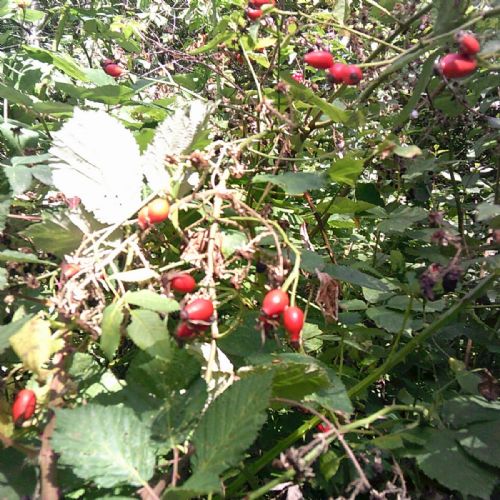
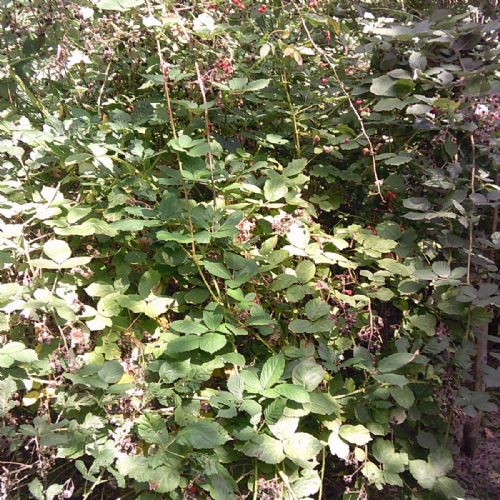
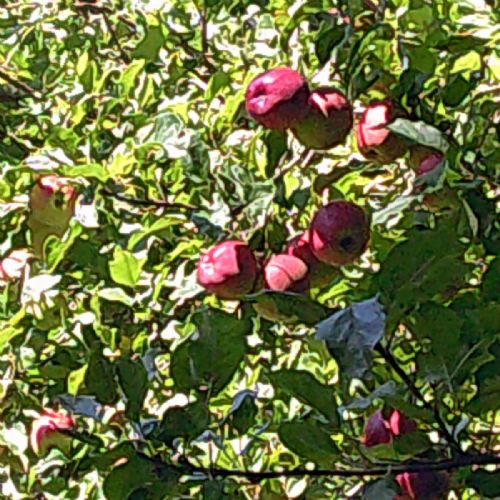
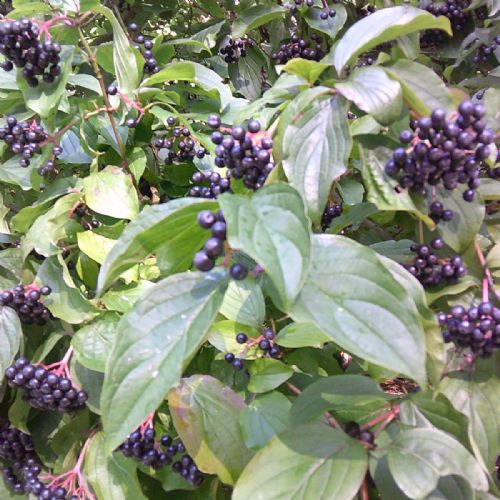
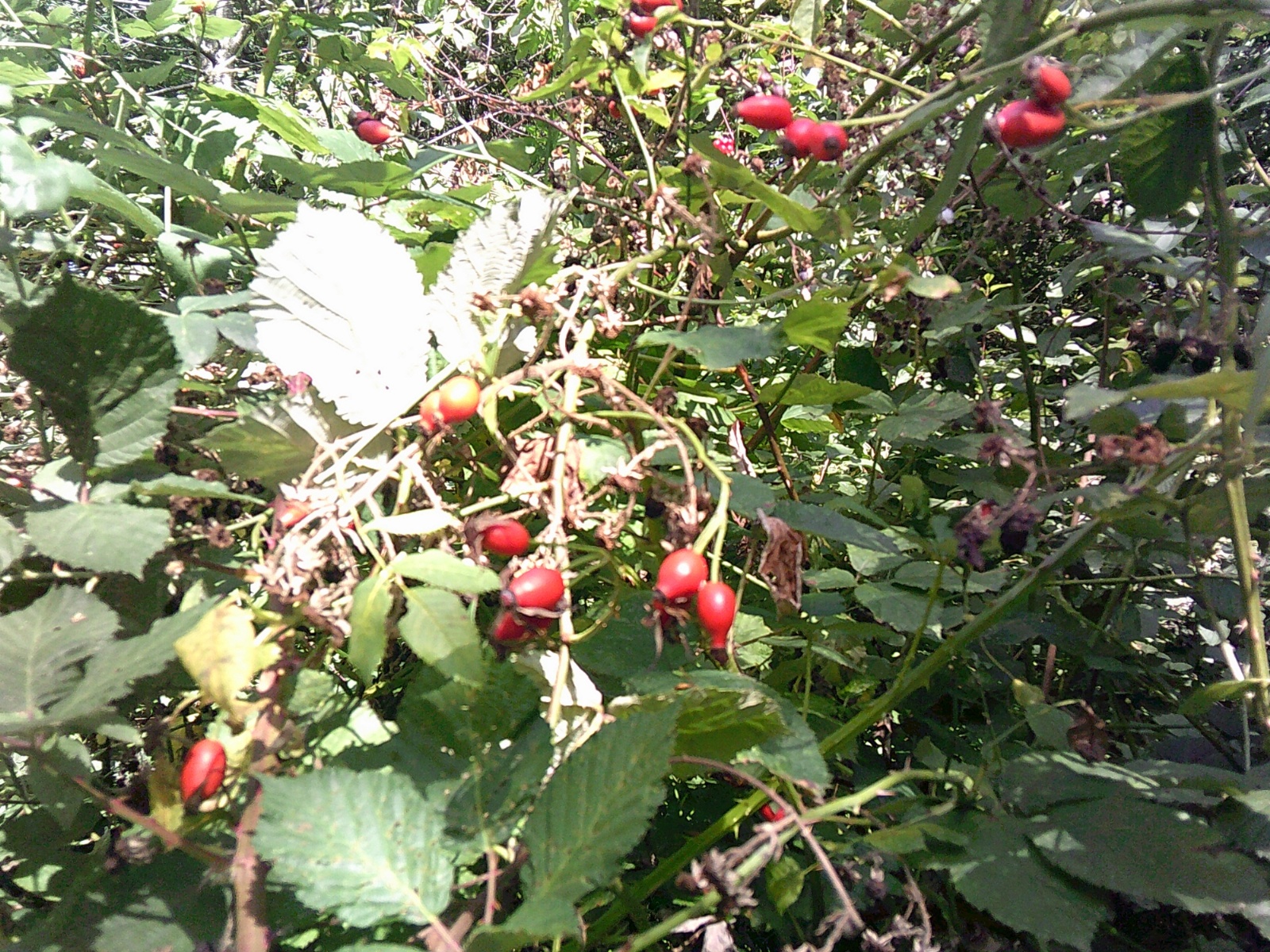
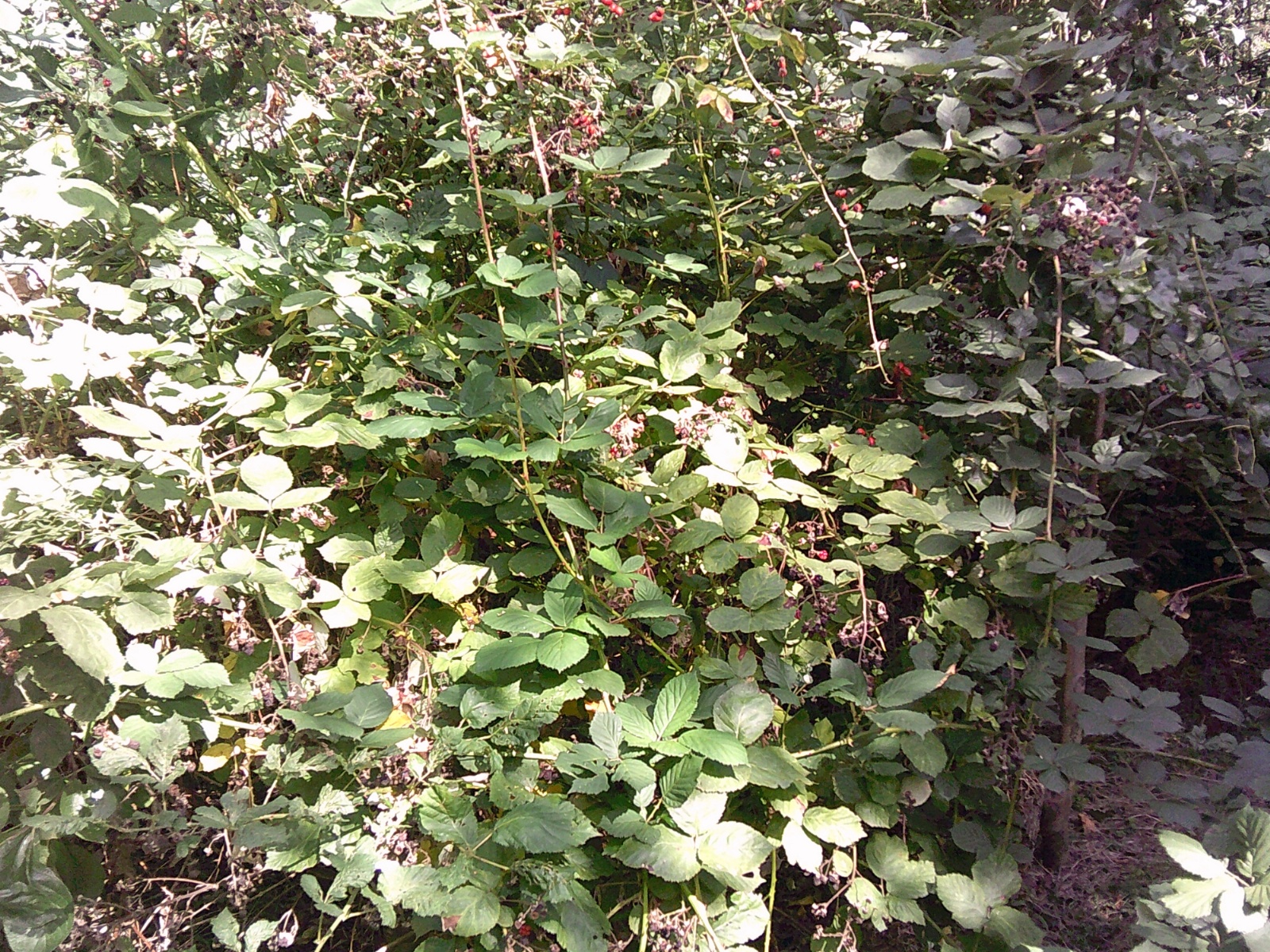
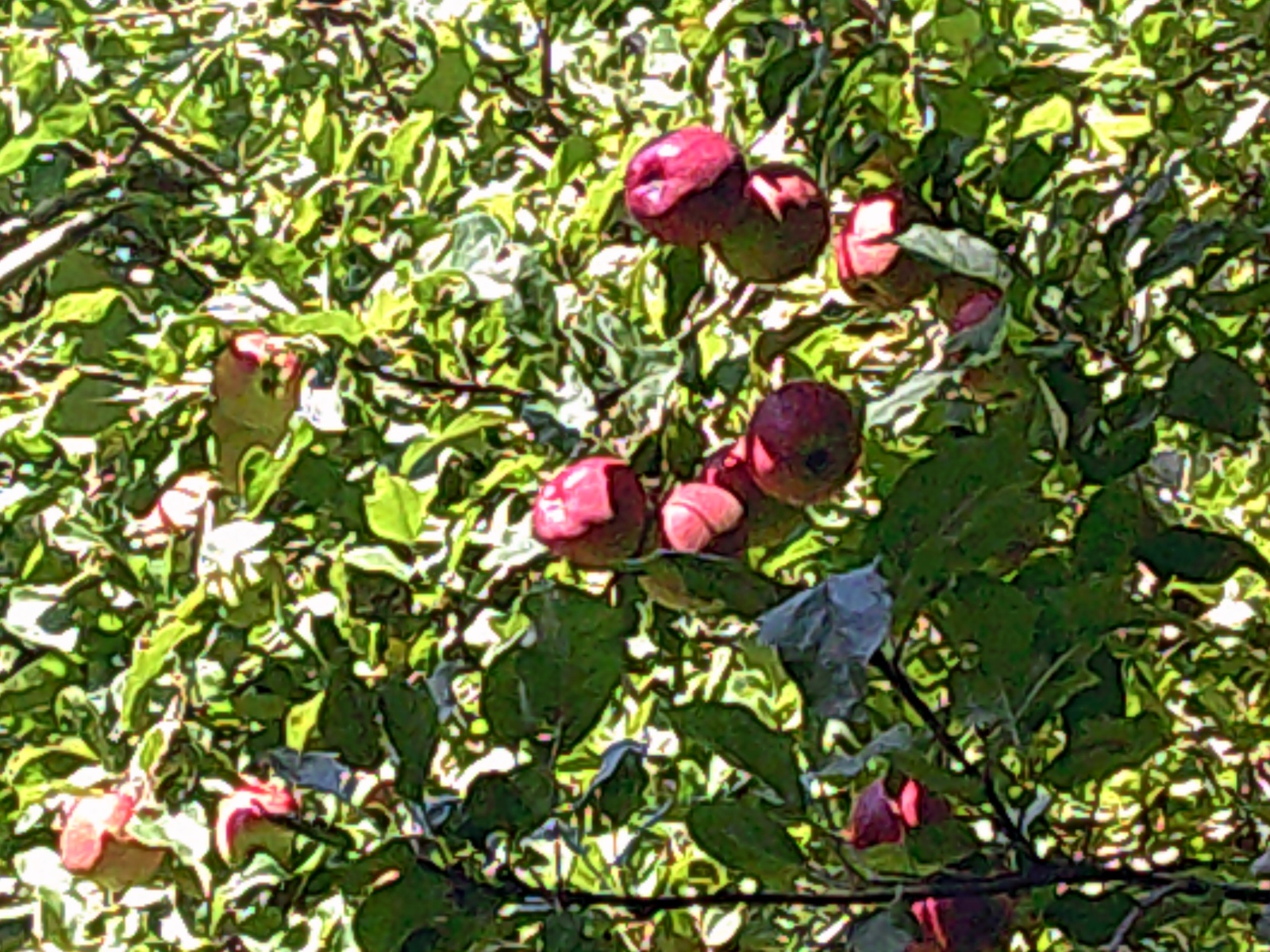
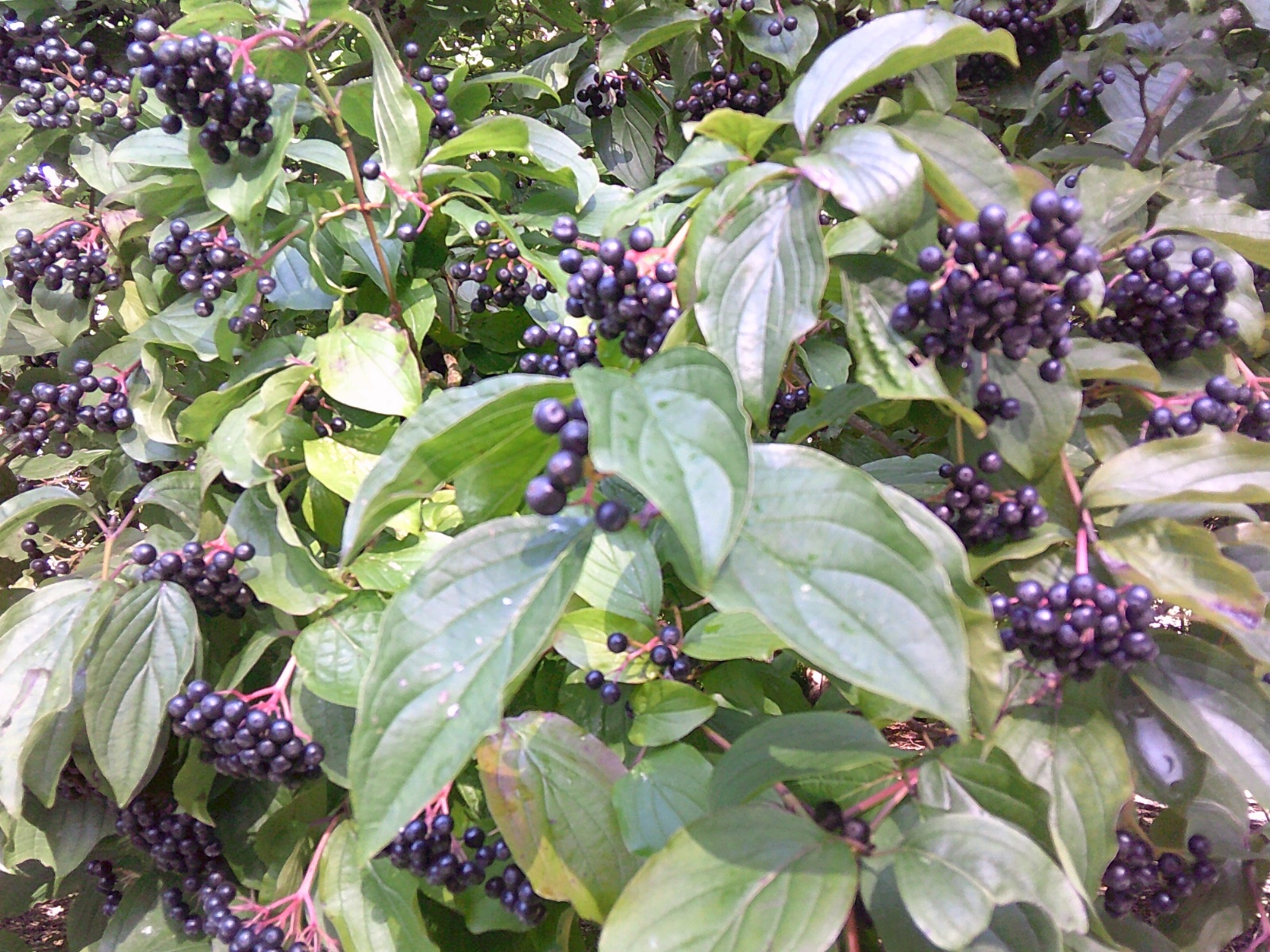
- Collecting observations of edible plants and how humans and animals need plants in our diets.
In AUTUMN, children observed and learnt:
- The children recalled the safety rules around foraging (we never pick anything unless told to do so by the adult experts).
- Not all berries, fruits and nuts are edible to animals and humans.
- There are some unexpected shared food sources, like nettles and acorns. We would need to use our DT skills and knowledge to make something edible, but animals eat them as they are.
- The children are expecting the plants to change over the seasons. Dead plants and living plants are a food source for animals. The children observed animals in the leaf litter and the compost.
 DSCF0013.JPG750
 DSCF0011.JPG749
 DSCF0007.JPG748
 DSCF0005.JPG747
.jpg) IMG202509081513163).jpg738
IMG202509081513163).jpg738
.jpg)